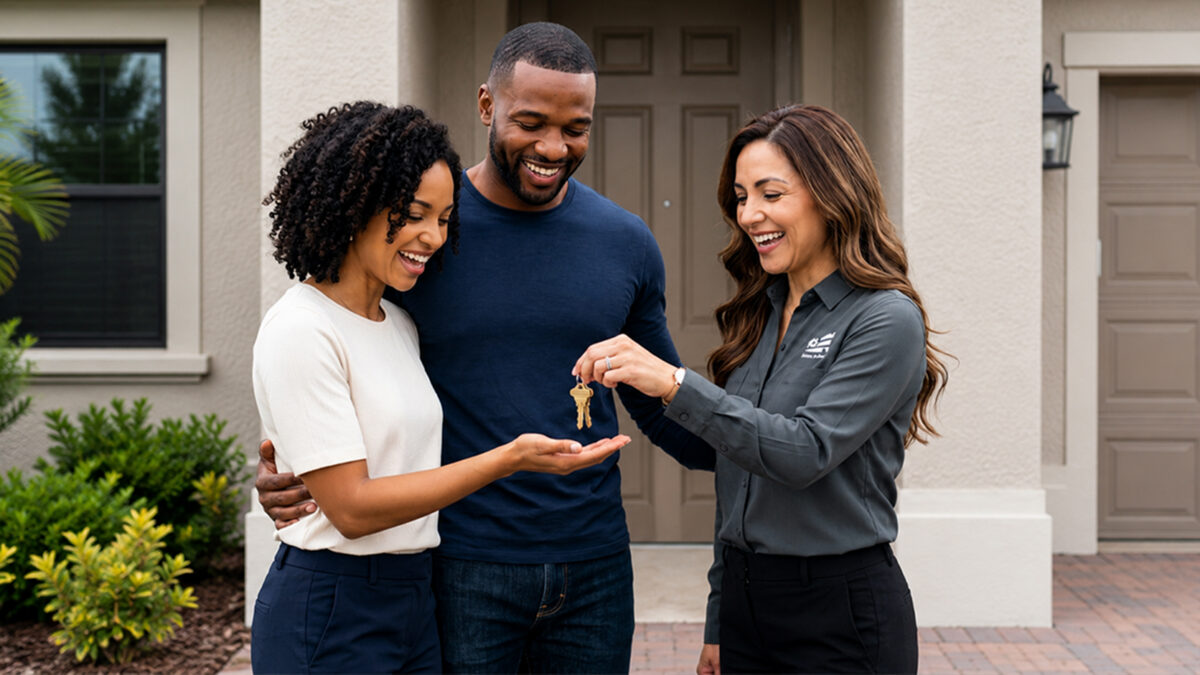
Which real estate program is right for you?
Homes for Heroes and the Good Neighbor Next Door Program both help public service professionals, including many first-time homebuyers, reduce the cost of homeownership, but they work in very different ways.
Good Neighbor Next Door offers a significant upfront discount on a limited selection of HUD-owned properties to eligible teachers, law enforcement officers, firefighters, and emergency medical technicians. Homes for Heroes provides real estate savings to a broader group of community heroes buying, selling, or refinancing through participating local specialists.
Understanding the eligibility rules, property restrictions, financial benefits, and long-term requirements of each program can help you determine which option better fits your needs.
Table of Contents
- What is the Good Neighbor Next Door Program?
- Eligibility Requirements Compared
- Comparing the Financial Benefits
- Property Selection and Availability
- Can You Use Both Programs Together?
- Which Program Is Best for You?
- Homes for Heroes vs. Good Neighbor Next Door at a Glance
- Two Different Ways to Make Homeownership More Affordable
- Frequently Asked Questions
What is the Good Neighbor Next Door Program?
The Good Neighbor Next Door Program is a homeownership initiative administered by the U.S. Department of Housing and Urban Development (HUD).
Its purpose is to encourage certain public service professionals to purchase homes and live in designated revitalization areas, supporting broader community revitalization efforts. In return for committing to the neighborhood, qualified buyers may purchase an eligible HUD-owned property at a 50% discount from its list price.
That potential discount can make the program particularly worthwhile. However, buyers must meet specific professional, property, financing, and occupancy requirements.
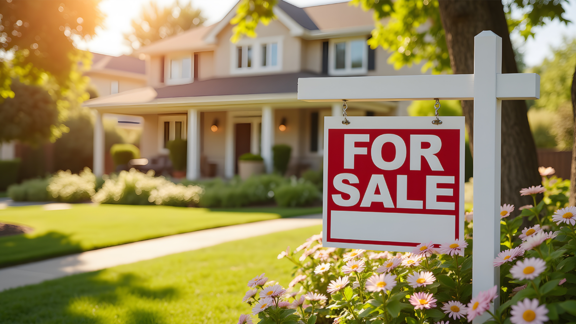
How the Good Neighbor Next Door Program Works
HUD identifies eligible properties in designated revitalization areas and lists them for sale through its approved channels. These are HUD-owned homes that were previously financed with FHA-insured mortgages and entered foreclosure.
Qualified buyers can express interest in an available property during its listing period. If more than one eligible buyer wants the same home, HUD may select the purchaser through a random lottery process.
The buyer finances or pays for the discounted purchase price but must also sign a second mortgage and note the amount of the discount. No interest or payments are generally required on that second mortgage as long as the buyer follows the program rules.
To receive the full benefit, the buyer must use the property as a primary residence for 36 months. Once that requirement is met, the second mortgage tied to the discount may be released.
Because the program applies only to select HUD-owned properties, eligible buyers cannot use the discount on any home they choose.
Who Qualifies for the Good Neighbor Next Door Program?
The program is limited to full-time professionals in four categories:
- Law enforcement officers
- Pre-K through 12th-grade teachers
- Firefighters
- Emergency medical technicians
Applicants must meet HUD’s specific employment requirements. In general, their employer and place of work must serve the area where the qualifying property is located. These public servants must be employed full-time. For example, a qualifying teacher generally works at a state-accredited public or private school, while a firefighter typically serves in a local fire department.
Buyers must also certify that they have not owned another home during the year before submitting an offer and that they do not currently own another residential property. Additional qualification, financing, and documentation requirements may apply.
Eligibility Requirements Compared
The two programs overlap in some areas, but Homes for Heroes serves a broader range of professionals.
Teachers, firefighters, EMTs, and certain law enforcement officers may qualify for either program. But Homes for Heroes also serves active duty military members, veterans, and healthcare workers. Both retired heroes and former professionals are also eligible.
Good Neighbor Next Door has more specific employment requirements. Participants must work full time in an approved profession and meet HUD’s rules regarding where they work in relation to the qualifying property.
Homes for Heroes eligibility is primarily based on a participant’s hero profession or service. It does not require participants to purchase in a designated area, choose a HUD-owned home, demonstrate financial hardship, or meet a household income limit.
The qualification processes also differ. Good Neighbor Next Door requires buyers to satisfy federal program rules and complete the purchase of an eligible HUD property. Homes for Heroes participants sign up for free and work with participating local real estate or mortgage specialists to receive eligible savings at the end of their transaction.
Comparing the Financial Benefits
Both programs can reduce the cost of buying a home, but the benefits are structured differently.
Upfront Savings
The main benefit of Good Neighbor Next Door is the potential 50% discount from the list price of an eligible HUD-owned home.
For example, if a qualifying property has a list price of $300,000, the eligible buyer could purchase it for $150,000 under the program. The buyer must sign a second mortgage for the discounted amount and satisfy the three-year occupancy requirement for that obligation to be released.
This is a substantial incentive, but it applies only to qualifying properties and buyers who meet all program requirements.
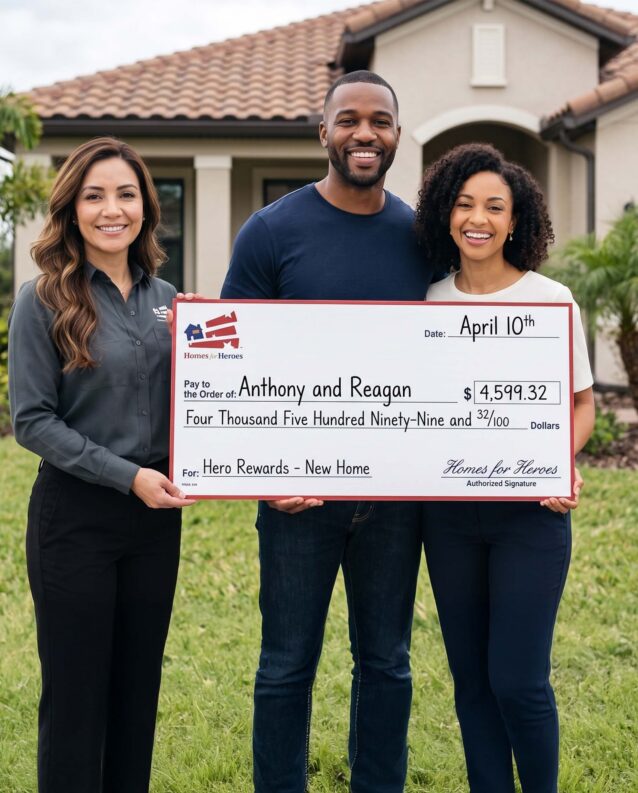
Homes for Heroes does not reduce the home’s purchase price. Instead, eligible buyers receive Hero Rewards® savings associated with their real estate transaction after closing. Additional savings may also be available when working with participating mortgage, title, or home inspection specialists.
Down Payment and Closing Costs
A discounted purchase price through Good Neighbor Next Door can reduce the amount a buyer needs to finance. Qualified buyers using certain FHA-insured financing may also be eligible for a low down payment, although financing requirements and closing costs still apply.
Buyers should be prepared for expenses such as lender charges, title services, homeowners’ insurance, taxes, inspection fees, repairs, and moving costs. It is a good idea to confirm all financing details with your lender well before the closing date.
Homes for Heroes savings can help offset some of the costs that come with buying a home. Because Hero Rewards® are provided after closing, buyers should not assume those savings will replace the cash needed upfront for a down payment or closing costs.
Depending on the transaction, Homes for Heroes participants may use the savings for moving expenses, furnishings, repairs, replenishing an emergency fund, or other needs after purchasing the home.
Long-Term Value
The Good Neighbor Next Door discount may create significant equity for a buyer who fulfills the program’s requirements. However, the condition, location, and future market value of the property still matter.
HUD-owned homes are generally sold as-is, so buyers should carefully evaluate inspection findings and potential repair costs. A large purchase discount does not necessarily mean the home will require little additional investment.
Homes for Heroes gives buyers greater control over property selection. They can evaluate open-market listings and choose a home based on factors such as condition, neighborhood, schools, commute, price, and long-term plans.
The savings may be smaller than the maximum Good Neighbor Next Door discount, but the broader home selection and location flexibility may be more important to many buyers.
Property Selection and Availability
Property availability is one of the most significant differences between the two programs.
Good Neighbor Next Door can only be used to purchase designated HUD-owned homes in approved revitalization areas. Inventory may be limited, and there may be no qualifying properties available in a buyer’s preferred community at a particular time.
Buyers also need to consider competition. If multiple eligible professionals submit interest in the same home, selection may be determined by lottery.
Homes for Heroes is not tied to a special inventory of properties. Eligible participants can work with a local real estate specialist to search all open-market listings in their preferred location that meet their needs.
This can provide considerably more flexibility for buyers who need to live near a workplace, school district, family members, transportation, or other community resources.
Market conditions still affect availability and affordability, but buyers are not restricted to a small pool of government-owned homes.

Can You Use Both Programs Together?
Some buyers may qualify for both Homes for Heroes and Good Neighbor Next Door, but eligibility for one does not automatically guarantee eligibility for the other.
For example, a full-time teacher, firefighter, EMT, or law enforcement officer may meet the professional requirements for both programs. Whether the benefits can be combined depends on HUD rules, the property, financing arrangements, specialist participation, and applicable state or local regulations.
Buyers interested in combining programs should discuss the possibility early with an experienced lender, real estate professional, and HUD-approved representative. They should confirm how any rewards, credits, discounts, or other benefits will be handled before signing contracts or making an offer.
It is important not to assume that every Homes for Heroes specialist handles Good Neighbor Next Door transactions or that every eligible HUD purchase can receive additional benefits.
Which Program is Right for You?

Good Neighbor Next Door may be worth exploring if you:
- Work full time in one of the four eligible professions
- Are willing to purchase a qualifying HUD-owned home
- Can find an eligible property in a suitable location
- Are prepared to occupy the home as your primary residence for three years
- Want to pursue the largest possible property-price discount
Homes for Heroes may be a better fit if you:
- Belong to one of its five broad hero groups
- Want to shop for homes on the open market
- Need greater flexibility in property type or location
- Are buying, selling, or refinancing
- Want support from local real estate and mortgage specialists
- Do not meet Good Neighbor Next Door’s specific employment or property requirements
For some buyers, it may make sense to investigate both. The 50% Good Neighbor Next Door discount can be highly valuable, but the limited inventory and occupancy rules may make it impractical for some households.
Homes for Heroes offers a smaller but more broadly accessible benefit, with more freedom to choose a home that fits the buyer’s day-to-day needs and long-term goals.
Homes for Heroes vs. Good Neighbor Next Door at a Glance
| Feature | Homes for Heroes | Good Neighbor Next Door |
|---|---|---|
| Program type | Real estate savings program | HUD homeownership program |
| Eligible participants | Military, veterans, firefighters, EMS, law enforcement, healthcare professionals, and educators | Eligible teachers, firefighters, EMTs, and law enforcement officers |
| Type of benefit | Hero Rewards® and related transaction savings | Up to 50% off the list price of an eligible property |
| Property selection | Homes available on the open market | Select HUD-owned properties only |
| Geographic availability | Nationwide through participating specialists | Limited to qualifying inventory in designated areas |
| Income limit | No program income limit | Eligibility is based primarily on occupation and HUD requirements |
| Occupancy requirement | Standard requirements tied to the buyer’s financing and purchase | Must be the buyer’s primary residence for 36 months |
Two Different Ways to Make Homeownership More Affordable
Good Neighbor Next Door can provide an exceptional discount for qualifying professionals who find an eligible HUD-owned property and meet the program’s three-year occupancy requirement. Homes for Heroes offers broader professional eligibility, open-market flexibility, and Hero Rewards® savings for eligible heroes buying, selling, or refinancing.
The right choice depends on your profession, preferred location, available properties, financial needs, and willingness to meet each program’s requirements.
Ready to explore your options?
Connect with a local Homes for Heroes specialist for free to see how much you could save and whether the program fits your homebuying goals.
Frequently Asked Questions
What is the Good Neighbor Next Door Program?
Good Neighbor Next Door is a HUD program that offers eligible teachers, firefighters, emergency medical technicians, and law enforcement officers a 50% discount from the list price of select HUD-owned homes in designated revitalization areas.
Who qualifies for Good Neighbor Next Door?
Eligible participants include certain full-time law enforcement officers, teachers, firefighters, and emergency medical technicians who meet HUD’s employment and property-location requirements.
How much can I save with Good Neighbor Next Door?
Qualified buyers may receive a 50% discount from the list price of an eligible HUD-owned property. To keep the full benefit, the buyer must generally use the property as a primary residence for 36 months and comply with all program requirements.
Can I use Homes for Heroes with Good Neighbor Next Door?
Some buyers may qualify for both. Whether the benefits can be combined depends on the transaction, property, financing, professional participation, and applicable program rules. Confirm eligibility with the appropriate professionals before proceeding.
Estimate Your Savings
Learn how much you could save on your home purchase. Adjust the slider to see potential savings when you buy with a Homes for Heroes real estate and mortgage specialist. This is an estimate. Your actual savings may vary.