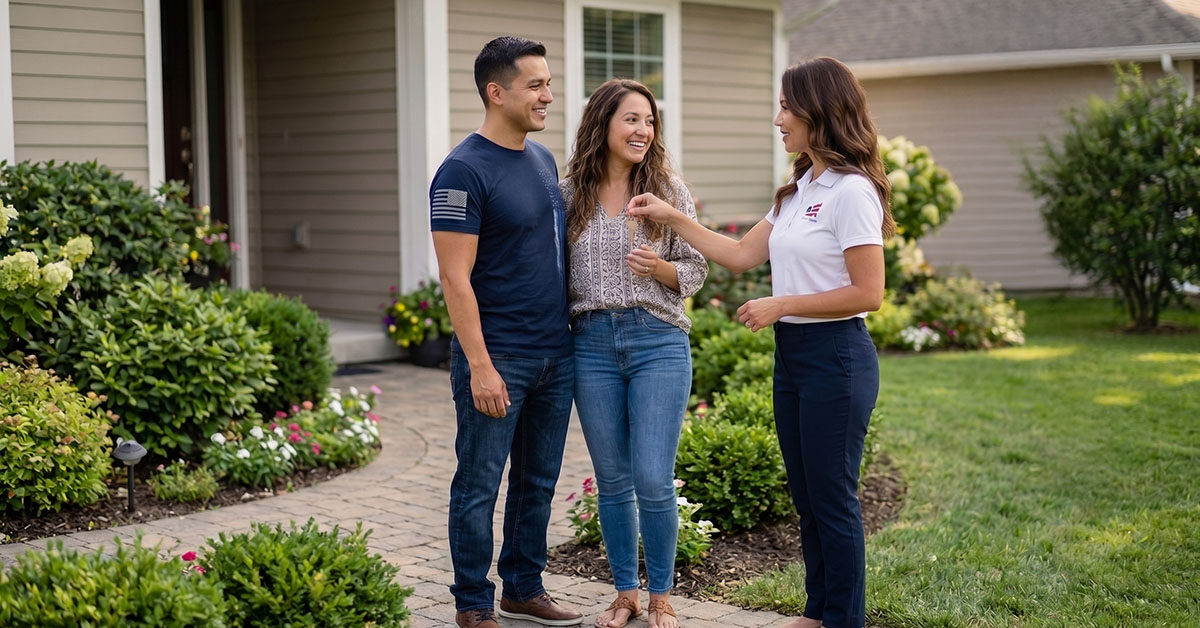
You serve your community every day. When it’s time to buy a home, you deserve a process that feels clear, supported, and rewarding.
This home buying guide was created for heroes like you: military members and veterans, firefighters and EMS professionals, law enforcement officers, healthcare professionals, and teachers. We’ll walk through the key steps of buying a home, explain what to expect along the way, and show how Homes for Heroes can help eligible heroes access meaningful savings after closing.
Table of Contents
- What Makes Buying a Home Different for Heroes
- Step-by-Step Home Buying Process for Heroes
- How Much House Can You Afford?
- Finding the Right Home and Agent
- Making an Offer and Closing
- Hero Savings: What Homes for Heroes Offers You
- Ready to Buy with Confidence?
- Home Buying FAQs
What Makes Buying a Home Different for Heroes
Buying a home is one of the biggest financial decisions you will ever make. It can also be one of the most complicated. Between budgeting, home loan pre-approval, house hunting, property taxes, inspections, offers, closing costs, and paperwork, there’s a lot to manage.
Homes for Heroes was created to make the process more rewarding for the people who serve our communities. Eligible heroes can connect with a local real estate agent and mortgage lenders who understand the homebuying process and are committed to helping heroes throughout the journey and saving money in the end.
Homes for Heroes serves:
- Military members and veterans
- Firefighters and EMS professionals
- Law enforcement officers
- Healthcare professionals
- Teachers and educators
Eligible heroes can save an average of $3,000 when they buy or sell a home through Homes for Heroes. Actual savings vary based on the home price, services used, location, and transaction details.
Step-by-Step Homebuying Process for Heroes
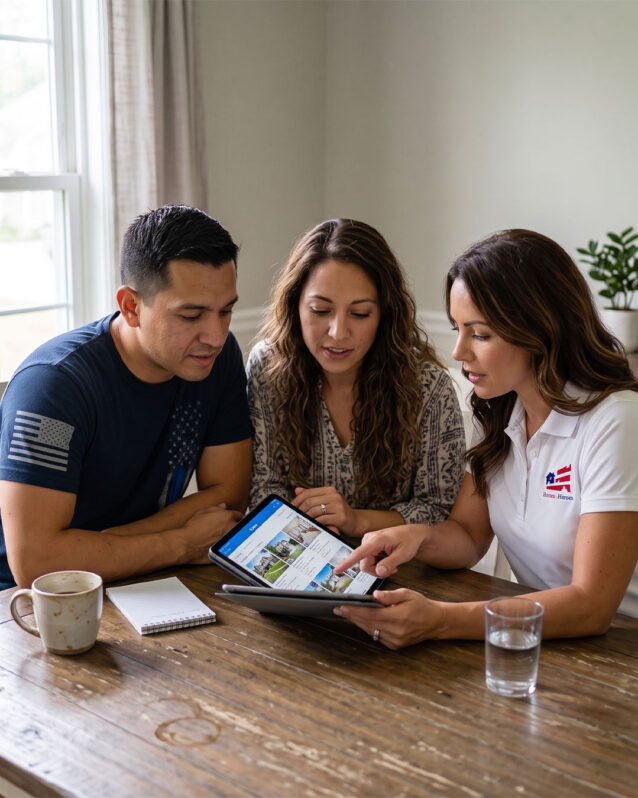
Understanding the path forward can help alleviate the stress of purchasing a home. Below is a look at the eight primary milestones most heroes encounter throughout the journey, including where you can access your potential savings through the Homes for Heroes program.
1. Set Your Budget
Before you start touring homes, take a close look at your income, savings, monthly expenses, and existing debt. This will help you understand how much you can afford and what kind of monthly mortgage payment may fit comfortably into your life. First-time homebuyers especially benefit from running these numbers early.
Remember to budget for more than the purchase price. You may also need money for a down payment, closing costs, property taxes, home insurance, ongoing maintenance, moving expenses, repairs, furniture, appliances, and emergency savings.
2. Get Pre-Approved
Mortgage pre-approval gives you a clearer picture of how much a lender may be willing to loan you. It also shows sellers that you are a serious buyer.
During pre-approval, a lender will review factors such as income, your credit report, debt, assets, and employment to see what you qualify for. If you’re eligible for VA loan benefits, down payment assistance, or other homebuyer programs, this is a good time to compare loan options and interest rate quotes.
Homes for Heroes mortgage specialists can also help eligible heroes understand potential savings on lender fees.
3. Connect with a Homes for Heroes Specialist
A good real estate agent can make a major difference. Your agent will help you understand the local market, search for homes, evaluate neighborhoods, compare recent sales, prepare offers, and negotiate on your behalf. That’s a lot.
When you work with a participating Homes for Heroes real estate specialist, you can also access eligible Hero Rewards® savings after closing. These local specialists understand the program and are committed to helping heroes save money.
4. Search for the Right Home
Once you know your budget and have the right support, you can begin touring homes that fit your needs.
Think beyond square footage and number of bedrooms. Consider commute time, schools, neighborhood feel, property condition, future resale value, and how the home fits your daily life. For military families, first responders, healthcare workers, and teachers, schedule, location, and convenience can matter just as much as the home itself.
5. Make an Offer
When you find the right home, your agent will help you submit an offer based on comparable sales, current market conditions, the home’s condition, and the seller’s situation.
Your offer may include price, contingencies, earnest money, closing timeline, and requested seller concessions. In competitive markets, your agent can help you decide how to make your offer stronger without stretching beyond your comfort zone.
6. Schedule a Home Inspection
A home inspection helps you understand the property’s condition before closing. An inspector will review major systems and visible components of the home, such as the roof, foundation, plumbing, electrical, HVAC, windows, and more.
The inspection may uncover issues that lead to further negotiation, repair requests, or additional evaluation. It is an important step that helps you make a more informed purchase decision.
7. Finalize Financing
After your offer is accepted, your lender will continue processing your mortgage loan. This usually includes underwriting, documentation, appraisal, title work, and final loan approval.
The appraisal confirms the home’s value for the lender. If the appraisal comes in lower than the purchase price, your agent and lender can help you understand your options.
8. Close on Your Home
At closing, you will sign final paperwork, pay any required closing costs, and complete the purchase. Closing timelines vary, but many home purchases close within 30 to 45 days after an accepted offer when financing, appraisal, title, and inspection steps move smoothly.
After closing, eligible Homes for Heroes savings are provided so you can use them for moving costs, repairs, furnishings, emergency savings, or other needs.
How Much House Can You Afford?
Affordability depends on several factors, including your income, debt, savings, credit profile, mortgage rates, loan type, and down payment amount.
A lender will often look at your debt-to-income ratio, which compares your monthly debt payments to your gross monthly income. They will also review your credit history, employment, assets, and other financial details.
Pre-approval is one of the best ways to understand your buying power. It can also help you compare loan options, estimate monthly payments, and prepare for upfront costs such as the down payment and closing costs.
Finding the Right Home and Agent
The right home is not just the one that looks good online. It is the one that fits your budget, lifestyle, location needs, and long-term goals.
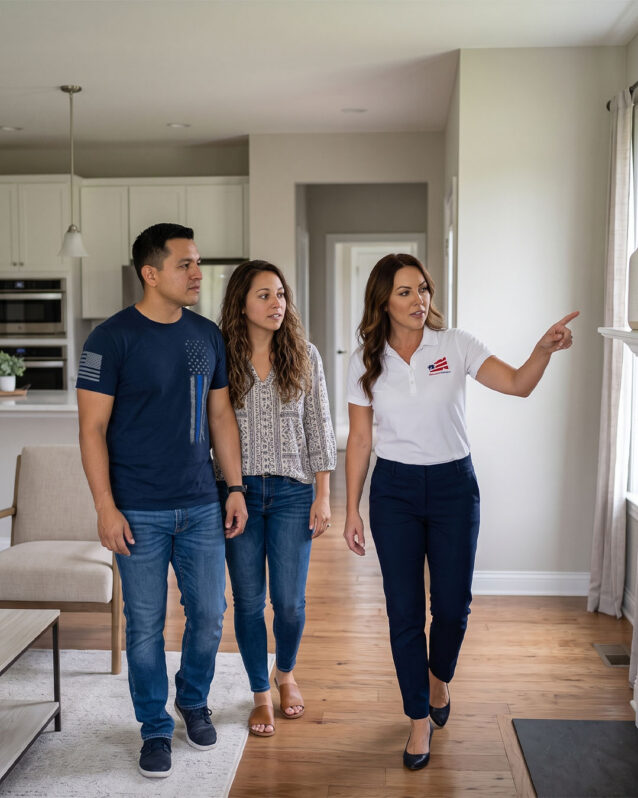
A strong real estate agent can help you evaluate those factors clearly. But not all agents are created equal, and as a hero, you deserve someone who actually understands your world: shift schedules, VA loan nuances, relocation timelines, and everything in between.
You’ll want to work with a Homes for Heroes affiliate specialist; these are local agents who know hero buyers, understand your specific needs, and are committed to saving you money at closing.
Before you commit to any agent, ask the right questions:
- How well do you know this local market?
- Have you worked with buyers in my profession before?
- How will you help me compare homes and neighborhoods?
- What should I expect during negotiations?
- How will you communicate throughout the process?
If you’re active duty military or a veteran, you should ask about the agent’s familiarity with VA loans.
For eligible heroes, working with a Homes for Heroes specialist also gives you access to potential Hero Rewards® savings after closing.
Making an Offer and Closing
The final stretch of the home buying process includes some of the most important decisions. Your agent will help you structure the offer, negotiate terms, and keep the transaction moving.
Once your offer is accepted, you will work through inspection, appraisal, financing, title review, final walkthrough, and closing. Your lender and agent will help you understand closing costs, required documents, deadlines, and any final steps before you receive the keys.
Before closing day, you will typically complete a final walkthrough to confirm the home is in the expected condition.
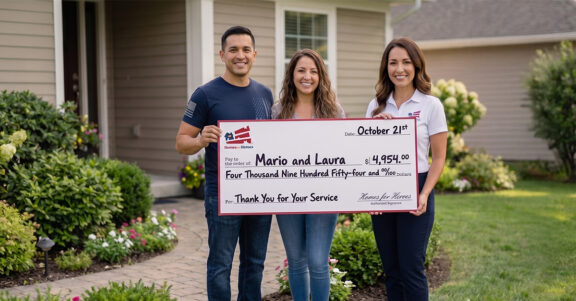
After closing, your Homes for Heroes specialists return a portion of their commission to you, putting real money back in your pocket at the closing table.
Hero Rewards® Savings: What Homes for Heroes Offers You
Homes for Heroes helps eligible heroes save when they buy, sell, or refinance a home through participating specialists.
When you work with a Homes for Heroes real estate specialist, you may receive Hero Rewards® savings after closing. Additional savings may also be available through participating mortgage, title, and inspection specialists, depending on your transaction.
Heroes can save an average of $3,000 when buying or selling a home through Homes for Heroes. Those who both buy and sell may save an average of $6,000. Actual savings vary based on home price, services used, location, and transaction details.
Ready to Buy with Confidence?
Buying a home can feel complicated, but the right support can make the process easier to understand and navigate. From budgeting and pre-approval to house hunting, offers, closing, and Hero Rewards® savings, Homes for Heroes helps eligible heroes move forward with more confidence.
Ready to take the next step? Sign up for free with Homes for Heroes to connect with a local specialist and learn more about your potential savings.
Home Buying FAQs
How much can I save by buying a home through Homes for Heroes?
Heroes who buy a home through Homes for Heroes save an average of $3,000. Actual savings vary based on the home’s purchase price, services used, location, and transaction details.
How do I know how much house I can afford?
Affordability depends on your income, existing debt, down payment amount, credit profile, mortgage rates, and loan type. Getting pre-approved by a lender is one of the best ways to understand your buying power.
Who is eligible for Homes for Heroes savings?
Homes for Heroes serves military members and veterans, firefighters and EMS professionals, law enforcement officers, healthcare professionals, and teachers and educators.
How long does it take to close on a home?
Closing timelines vary, but many home purchases close within 30 to 45 days after an accepted offer if financing, inspection, appraisal, and title work proceed without major delays.

Estimate Your Savings
Learn how much you could save on your home purchase. Adjust the slider to see potential savings when you buy with a Homes for Heroes real estate and mortgage specialist. This is an estimate. Your actual savings may vary.