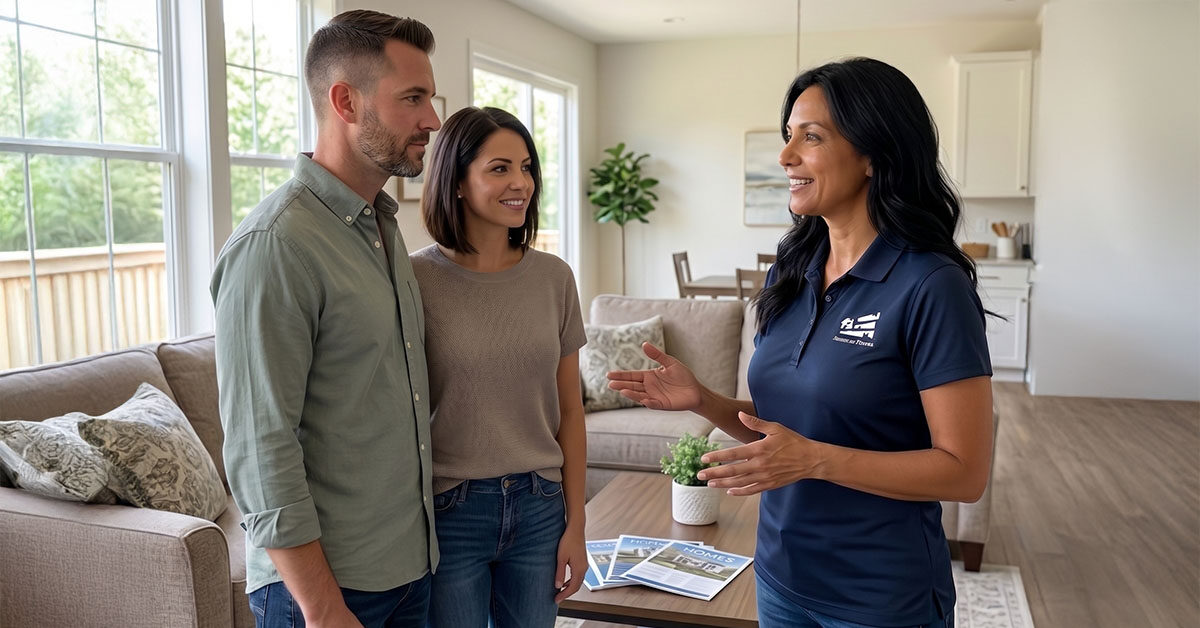
Most agents don’t have a client problem; they have a visibility problem.
The buyers and sellers in your market are already looking for someone they can trust. The question is whether they find you, remember you, and believe you’re the right person to guide them through one of the biggest financial decisions of their lives.
The good news? Getting more real estate clients is not about chasing every possible lead. It’s about building a repeatable system: strengthening your network, showing up in your community, improving your online presence, owning a clear niche, and following up with purpose.
Here are practical, field-tested ways to grow your client base that actually work.
Table of Contents
- Build a Referral Network That Actually Works
- Leverage Your Local Community Presence
- Optimize Your Online Presence for Leads
- Niche Down to Stand Out
- Partner With Programs Like Homes for Heroes
- Convert Leads With Better Follow-Up
- Build a Business People Remember
- How to Get More Real Estate Clients FAQs
Build a Referral Network That Actually Works
Relationships are still the backbone of a strong real estate business. But they do not grow on autopilot. You need to build the system on purpose.
Many agents finish a closing, send a thank-you note, and hope the client remembers them later. The agents who grow consistently treat closing day as the beginning of a long-term relationship.
Start by asking satisfied clients for specific introductions. “Send anyone my way” is easy to ignore. Try something more focused, such as: “Do you know anyone at work, in your neighborhood, or in your family who may be thinking about buying or selling in the next six months?”
Build relationships with local professionals who serve the same homeowners and buyers you do. Mortgage lenders, home inspectors, contractors, insurance agents, attorneys, financial advisors, and moving companies can all become valuable community connections.
Then, stay visible with past clients. A monthly email, a quick market update, a home maintenance reminder, or a personal check-in keeps you on their radar long after the transaction ends.
The strongest agents do not disappear after closing. They keep showing up in helpful, human ways.
Show Up in Your Local Community
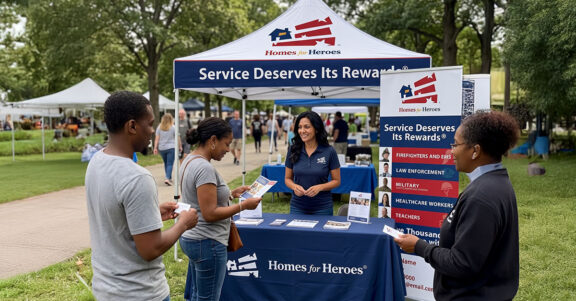
Online leads get a lot of attention, but some of your best clients may come from your own backyard. When people see you consistently supporting the community, you build a level of trust no ad can buy.
Sponsor local and community events that put your name in front of families and homeowners. Youth sports leagues, school fundraisers, charity events, neighborhood festivals, and community cleanups can all help you become a familiar local presence.
Join neighborhood associations, business groups, school communities, and local organizations. The goal is not to walk into every room with a sales pitch. It’s to build real relationships so people know who you are before they ever need an agent.
You can also host useful local events, such as first-time buyer workshops, seller preparation sessions, or market update nights at a library, coffee shop, or community center. When you educate first, you position yourself as a trusted resource.
The agents who win locally are often the ones people already recognize before they start searching.
Get Your Online Presence Working for You
Your online presence is often your first impression. If someone searches for a real estate agent in your area and you don’t appear in the search results, you don’t exist to them. Strong local SEO makes sure you show up. Maintaining an online presence is often ignored by agents, but a few focused fixes can change that quickly.
Start with your Google Business Profile. Claim it, complete it, and keep it updated with your service areas, hours, photos, contact information, and a clear description of who you help.
Reviews matter, too. Ask happy clients to leave honest reviews and client testimonials, and respond to them consistently. A steady stream of recent, thoughtful reviews helps build credibility before a prospect ever reaches out.
Use social media platforms to show what you know, not just what you sell. Share neighborhood insights, local market updates, client success stories, common buyer questions, seller tips, video content, and behind-the-scenes guidance. When you create content consistently, you become known as the agent who understands the local market and explains it clearly.
Your online presence should work like a digital version of your reputation: current, helpful, and easy to trust.
Niche Down to Stand Out
Trying to serve everyone is a losing game in the real estate industry. You won’t stand out, and your message will feel forgettable. The more specific your audience, the easier it is for the right and prospective clients to recognize that you are speaking directly to them.
A niche helps you move beyond generic real estate marketing. Instead of being “a local agent,” you become the agent known for helping first-time buyers, move-up families, downsizers, military families, teachers, healthcare professionals, firefighters, or first responders.
Hero communities are a strong example. Military members, veterans, teachers, healthcare workers, law enforcement officers, firefighters, and EMS professionals live and work in every market. They also tend to be deeply connected to their peers, workplaces, unions, departments, schools, and neighborhoods.
When an agent truly understands their needs, schedules, benefits, challenges, and homebuying goals, that experience can create meaningful word-of-mouth momentum.
A clear niche gives your marketing a sharper story. It tells people not just what you do, but who you are especially equipped to serve.
Partner With Programs Like Homes for Heroes
One way to strengthen your niche is to align with a structured program that already serves the audience you want to reach.
Homes for Heroes is built around giving back to local heroes, including military members, veterans, teachers, healthcare workers, law enforcement professionals, firefighters, and EMS professionals. For agents who genuinely want to serve these communities, the program can provide a clear point of differentiation.
Becoming part of the Homes for Heroes network allows agents to connect their real estate business with a mission that matters. You’re not just saying you support local heroes; you’re participating in a program designed to help eligible heroes save when buying or selling a home.
That kind of alignment can help agents build trusted community connections, create stronger conversations with hero clients, and stand out in a crowded market.
Homes for Heroes also provides marketing resources and support to help participating agents communicate the value of the program clearly. That can be especially helpful for agents who want to build a niche but don’t want to start from scratch.
Heroes can make up as much as 30% of buyers and sellers in your market. That’s a big slice worth showing up for, and a program like Homes for Heroes is a proven way to do it.
Convert Leads With Better Follow-Up
Getting a lead is only the beginning. What happens next often determines whether that person becomes a client.
Respond quickly when someone reaches out, ideally within an hour. Conversion rates fall off sharply after the first 60 minutes. A fast, thoughtful response shows professionalism and interest. Even if you don’t have every answer immediately, acknowledge the inquiry and set a clear next step.
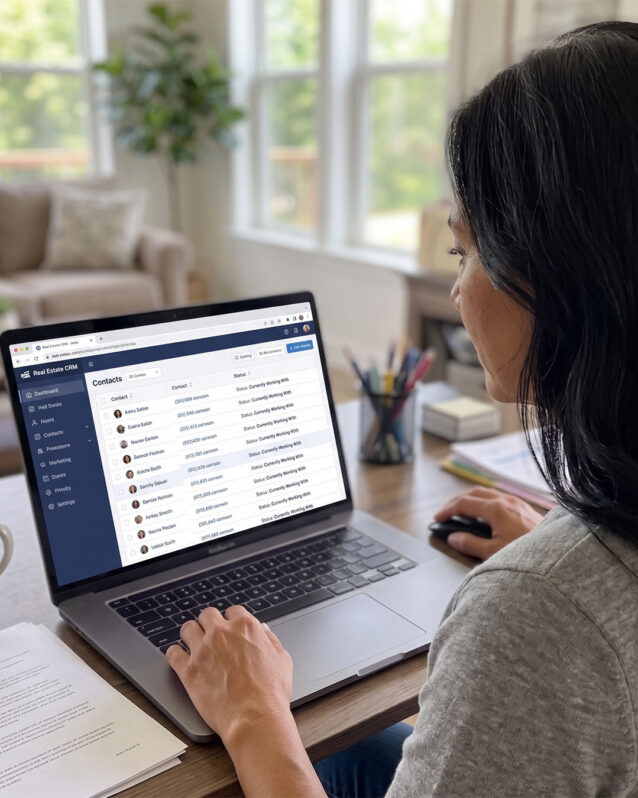
Use a CRM to track every prospect, client, conversation, and follow-up task. Whether you use a full real estate platform or a simple system that works for you, the important thing is consistency. Leads often go cold because no one followed up at the right time with the right message.
Personalization matters. Replace generic “just checking in” messages with something specific. Mention the neighborhood they searched, the type of home they want, the timeline they shared, or the question they asked.
A better follow-up system does not have to be complicated. It just needs to be timely, organized, and genuinely useful.
Build a Business People Remember
Getting more real estate clients comes down to a few things done well and done often: show up in your community, stay visible online, build strong relationships, choose a clear niche, and follow up with care.
None of these strategies work overnight. But each one moves the needle when you stick with it. Over time, you’ll create the kind of presence that helps buyers and sellers remember you when it is time to move.
If you want to grow your business while serving people who give back to your community every day, Homes for Heroes may be a meaningful next step. The program helps agents support local heroes with real savings and a mission-driven story worth sharing.
Ready to grow your business while giving back? Learn more about becoming a Homes for Heroes affiliate and see how the program can support the clients you serve.
How to Get More Real Estate Clients FAQs
How do you get more real estate clients?
To get more real estate clients, focus on consistent lead generation, relationship building, local visibility, and strong follow-up. Build a network of community connections, stay in touch with past clients, create helpful online content, and become known for serving a specific audience.
What is the fastest way for real estate agents to find new clients?
The fastest place to start is often your existing network. Reach out to past clients, friends, family, local professionals, and community connections. Let them know who you help, what kind of clients you are looking to serve, and how you can be useful.
How can a new real estate agent get clients with no experience?
A new real estate agent can build trust before building a long track record. Start with open houses, social media, local events, educational content, and community involvement. Partner with experienced professionals when appropriate, highlight your responsiveness, and focus on serving a clear audience.
How do real estate agents get more leads online?
Real estate agents can generate more online leads by improving their Google Business Profile, publishing useful local content, staying active on social media, collecting reviews, and using clear lead capture forms on their website or landing pages.
How can real estate agents turn prospects into clients?
Agents turn prospects into clients by responding quickly, personalizing outreach, explaining their value clearly, and following up consistently. The goal is to make every prospect feel heard, understood, and confident about the next step.
Estimate Your Savings
Learn how much you could save on your home purchase. Adjust the slider to see potential savings when you buy with a Homes for Heroes real estate and mortgage specialist. This is an estimate. Your actual savings may vary.