
Learning how to get clients in real estate starts with one simple truth: people work with agents they know, trust, and remember. Whether you’re brand new or ready to grow your pipeline, client acquisition comes down to consistent outreach, local visibility, strong follow-up, and a clear reason for people to choose you.
This guide covers practical ways to build your client base, from beginner tactics like working your sphere and hosting open houses to more advanced strategies like digital content, niche marketing, and mission-driven affiliate programs like Homes for Heroes.
Table of Contents
- Build Your Sphere of Influence First
- Use Digital Channels to Expand Your Reach
- Generate Leads Through Referrals and Partnerships
- Leverage Niche Markets to Stand Out
- Advanced Strategies for Scaling Client Acquisition
- Join a Program That Supports Your Growth
- Build a Client Base That Lasts
- How to Get Clients in Real Estate FAQs
Build Your Sphere of Influence First
For a new real estate agent, your first real estate clients often come from people who already know you. That does not mean pressuring friends and family. It means making sure they understand what you do, who you help, and how to think of you when real estate comes up.
Start with your sphere of influence: friends, family, former coworkers, neighbors, local business owners, community contacts, and anyone else who already trusts you to some degree.
A simple weekly habit can help. Reach out to 10 people each week. Keep it personal and conversational. Let them know you’re working in real estate, share the areas or types of clients you serve, and ask how they’re doing. The goal is not to force a sales conversation. The goal is to stay visible and useful.
You should also announce your business across your social channels. Tell people you’re helping buyers and sellers, share the market you serve, and invite them to reach out with questions. Then keep showing up with helpful tips, local updates, open house reminders, and simple explanations of the buying and selling process.
Most new agents do one announcement and disappear. The agents who grow keep following up.
Use Digital Channels to Expand Your Reach
Once your personal network knows what you do, digital channels help you reach people beyond that first circle.
Social Media
Social media does not need to be complicated. You do not have to become an influencer. You just need to show up consistently with content that helps people understand your market and trust your perspective.
Post local market insights weekly. Share what buyers are asking, what sellers should know, which neighborhoods are active, and what you’re seeing in pricing, inventory, or competition. Keep it simple. People need an agent who can make the market easier to understand.
Also let people see your personality. Real estate is a relationship business, and people often hire agents they feel comfortable with. Share your local involvement, client wins, community events, and what you love about the areas you serve.
Your Online Presence
Your online presence should make it easy for potential clients to find you and take the next step.
Start with your Google Business Profile. Claim it, complete it, and keep it updated with your service areas, contact information, photos, hours, and a clear description of who you help.
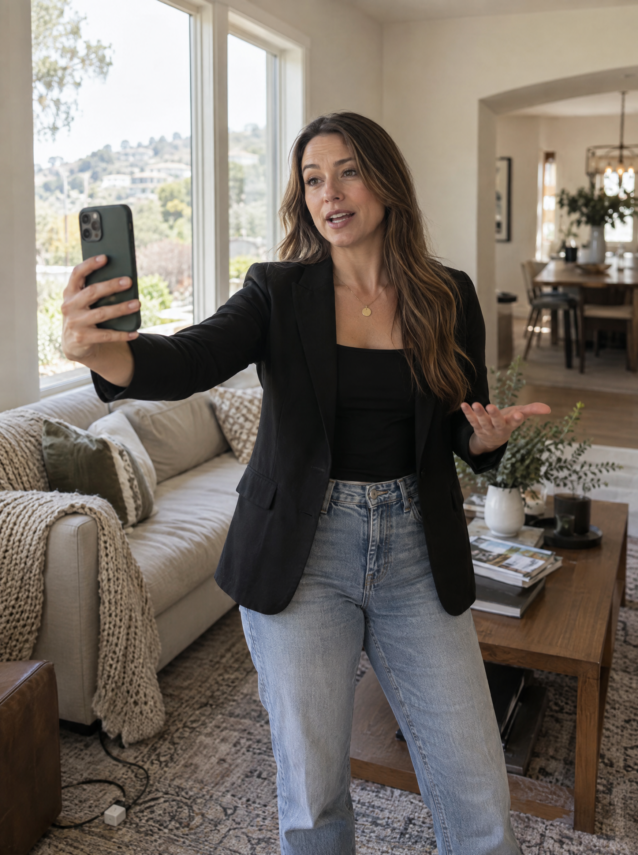
As you close transactions, ask happy clients for reviews. Reviews help build trust before someone ever contacts you. You should also have a simple website or landing page that tells people who you are, where you work, how you help, and how to contact you.
Generate Leads Through Relationships and Partnerships
Strong client acquisition is not only about new clients finding you online. Some of your best opportunities can come from personal relationships you build over time.
Stay connected with past clients through a monthly email, market update, homeowner tip, or local event reminder. The goal is to remain helpful long after closing.
Build relationships with real estate professionals who serve similar clients. Mortgage lenders, real estate attorneys, title reps, inspectors, contractors, financial advisors, insurance agents, home stagers, and moving companies all interact with people who may be buying or selling. When those relationships are built on trust, they can create steady warm leads and word-of-mouth momentum.
You can also create a simple thank-you system. When someone introduces you to a potential client, send a personal note or small gift, or make a charitable donation in their honor where appropriate.
Leverage Niche Markets to Stand Out
Trying to serve everyone can make your message feel generic. A niche helps you become more memorable.
You might focus on first-time buyers, relocating families, investors, downsizers, new construction, expired listings, specific neighborhoods, or certain professional communities. When your audience is clear, your marketing becomes sharper, and your value becomes easier to explain.
Hero communities are a strong example. Teachers, firefighters, EMS professionals, law enforcement personnel, healthcare workers, military members, and veterans live in every market. They’re often connected through schools, hospitals, departments, bases, unions, local organizations, and community networks.
When you understand the needs of a specific audience, you can serve them better. A teacher may care about school districts and the timing of summer. A firefighter or nurse may need an agent who understands nontraditional schedules. A military family may be navigating relocation, VA loan questions, or a tight timeline.
Niche marketing is not about excluding everyone else. It is about becoming known for something specific enough that the right people remember you.
Advanced Strategies for Scaling Client Acquisition
Once you have the basics working, you can add more scalable strategies.
Paid Advertising
Paid ads can help you reach people outside your organic network, but they work best when your message and follow-up system are already strong. Hyper-local Facebook or Google ads can promote buyer guides, seller resources, open houses, neighborhood pages, or home valuation offers.
The goal is not just to buy clicks. It is to start conversations with people who have a real reason to engage.
Retargeting can also help. If someone visits your website or views a listing, you can use follow-up ads to stay visible with helpful content.
Content and SEO
Content helps people find you before they are ready to call an agent. Neighborhood guides, market updates, buyer checklists, seller prep articles, relocation guides, and short videos can all build trust over time.
Focus on questions your clients actually ask. What is happening in this neighborhood? How much do I need for a down payment? Is now a good time to sell? What should I fix before listing?
Good content answers real questions clearly. Over time, it also supports local SEO and gives you something valuable to share by email and social media.
Events and Community
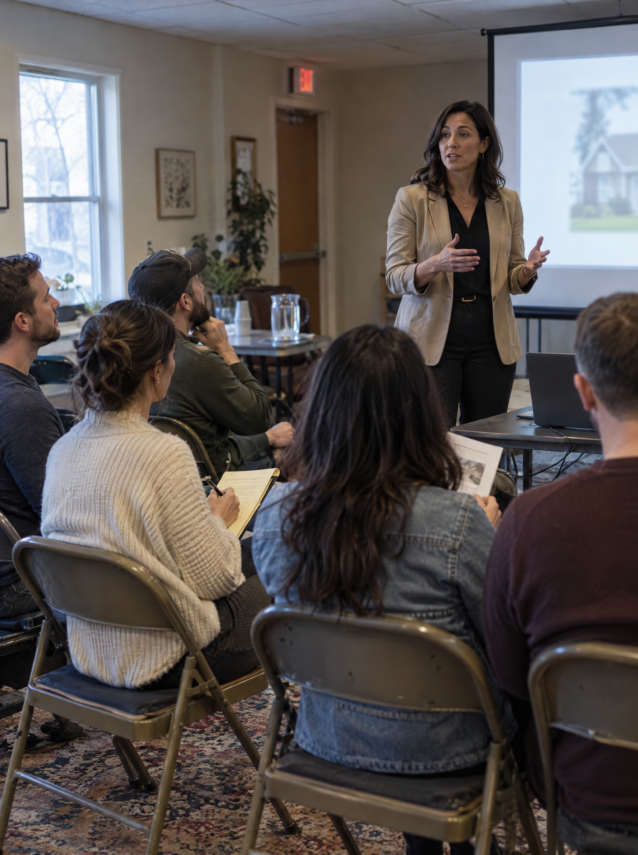
In-person visibility still matters. Host first-time buyer workshops, seller seminars, neighborhood market nights, or homeownership Q&As. Sponsor school events, youth sports, local fundraisers, or community programs.
These efforts build recognition and trust. People are more likely to remember the agent who showed up with useful information before they needed anything.
Join a Program That Supports Your Growth
Another way to grow your business is to align with a program that helps you serve a defined audience with a clear purpose.
Homes for Heroes is designed to help eligible heroes save money when buying, selling, or refinancing a home. For agents, it offers a way to build trusted community connections while giving back to the people who serve every day.
This is different from simply buying leads or waiting for business to come in. Homes for Heroes helps agents align their real estate business with a mission. Affiliates can serve teachers, healthcare workers, firefighters and EMS professionals, law enforcement personnel, and military members and veterans while helping eligible heroes access meaningful savings.
That kind of alignment can strengthen your local presence. It gives you a clear audience to serve, a story people understand, and a way to build relationships around gratitude and service.
The program is a turnkey solution that also provides tools, training, and marketing support to help affiliates communicate the value of Homes for Heroes clearly and professionally, and it can work well alongside the other strategies highlighted in this article.

Build a Client Base That Lasts
Getting clients in real estate is not about doing one thing perfectly. It is about doing the right things consistently.
Start with the people who already trust you. Build your online presence. Stay visible in your community. Create strong professional relationships. Choose a niche that helps you stand out. Then use systems, content, and programs that help you grow with more focus.
For agents who want to build a business rooted in service, Homes for Heroes offers a meaningful path forward. You can support local heroes, create stronger community connections, and grow your real estate business around something bigger than the transaction.
Ready to build your business while giving back to the people who serve your community? Learn more about becoming a Homes for Heroes affiliate.
How to Get Clients in Real Estate FAQs
How do beginner real estate agents get clients?
Beginner agents can get clients by starting with their sphere of influence: friends, family, former coworkers, neighbors, and local connections. Let people know what you do, follow up consistently, post helpful content, and look for ways to be useful before asking for business.
What is the fastest way to get clients in real estate?
The fastest way is often to combine personal outreach with high-intent opportunities. Contact your network, attend local events, host open houses, build relationships with professionals, respond quickly to inquiries, and stay visible online.
How do real estate agents find clients without buying leads?
Agents can find clients without buying leads by focusing on organic relationship-building. Host local workshops, post educational content, ask past clients for introductions, join community groups, and connect with professionals such as lenders, contractors, attorneys, and financial advisors.
How do you get more real estate clients as an experienced agent?
Experienced agents can get more clients by tightening their follow-up systems, nurturing past clients, improving their online presence, building strategic partnerships, and specializing in a niche that makes them easier to remember and recommend.
Why is follow-up important for getting real estate clients?
Follow-up matters because most people do not choose an agent after one conversation. Buyers and sellers often need time, education, and repeated touchpoints before deciding. A strong follow-up system helps you build trust and stay visible until they are ready.

Estimate Your Savings
Learn how much you could save on your home purchase. Adjust the slider to see potential savings when you buy with a Homes for Heroes real estate and mortgage specialist. This is an estimate. Your actual savings may vary.